Wind Mitigation Inspections in Tampa: How They Can Lower Your Insurance Premium
19 October, 2026

At Sidd Roofing Inc, we are a family-owned and operated business. We specialize in all types of roofing services, including repairs, installations, and maintenance for residential and commercial properties.Our team is comprised of skilled professionals who are dedicated to providing top-quality workmanship and excellent customer service. We use only the best materials and stay current with industry standards to ensure that your roof is not only beautiful but also durable and long-lasting. Our owner's commitment to excellence is evident in every project we undertake. We take pride in our attention to detail and strive to exceed our customers' expectations on every job. We are fully licensed, insured, and bonded for your peace of mind.
Faq
Need help? Make a Call
2706 Stallone Dr Ste 2, Tampa, FL 33605

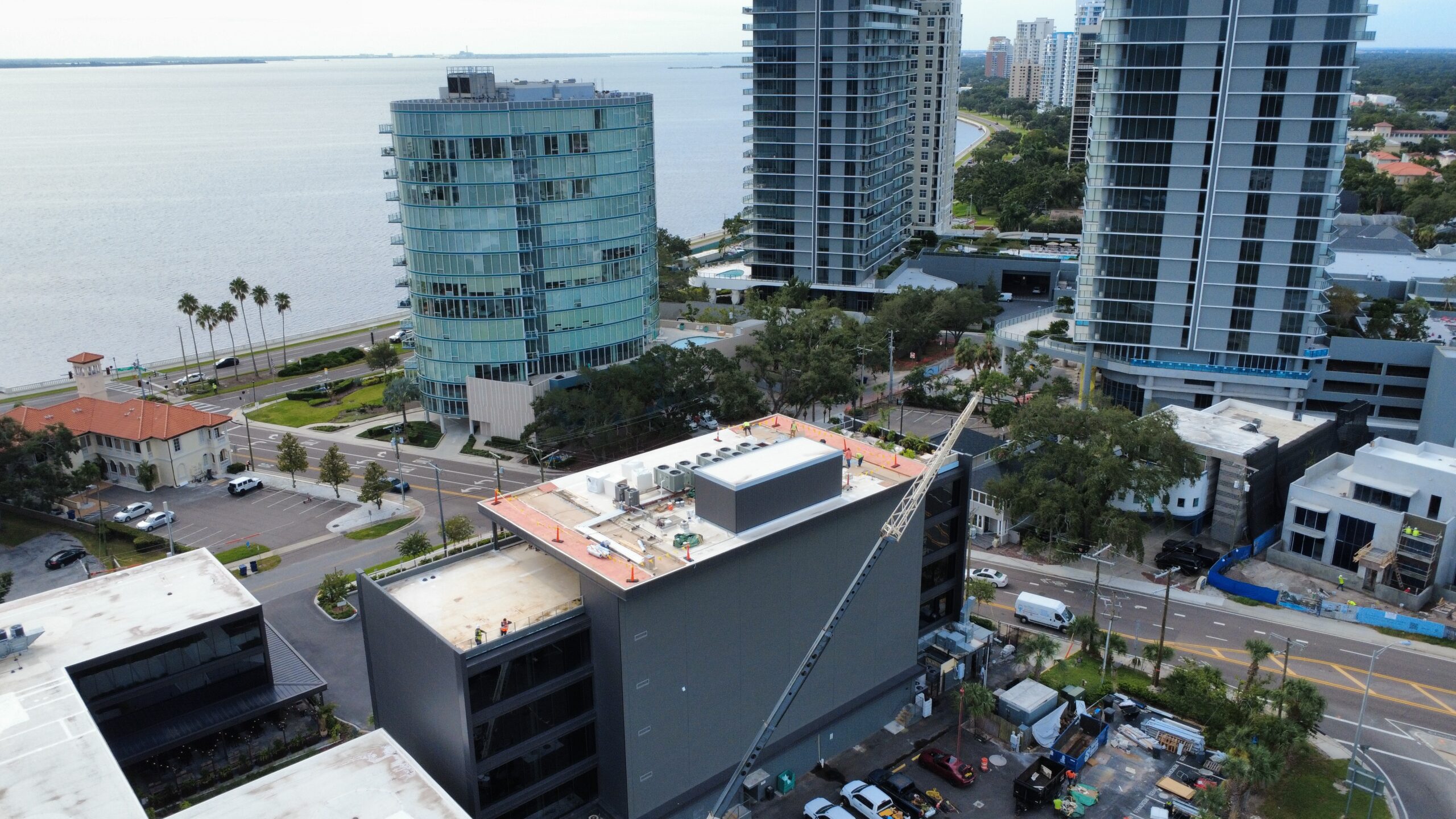
Commercial roofing operates on a different set of rules than residential work. The systems are different, the failure points are different, and the cost of getting it wrong is measured in disrupted operations and damaged inventory, not just an inconvenient leak.
If you own or manage a commercial property in Tampa Bay, here’s what actually matters when it comes to your roof.
Most commercial buildings have flat or low-slope roofs. That design is practical for large footprints, but it means water doesn’t shed the way it does off a pitched residential roof. Water sits. And anywhere water sits, it eventually finds a weakness.
In Florida, that problem compounds. Intense sun degrades roofing membranes. Daily summer downpours test every seam. Hurricane-season winds stress edges and flashing. A commercial roof here works harder than the same roof would in most other states.
Water that remains on a roof more than 48 hours after rain is a warning sign. It usually points to drainage problems or low spots in the deck. Left alone, ponding accelerates membrane breakdown and adds significant weight to the structure.
Every HVAC unit, vent, drain, and pipe is a hole in your roof that has been sealed. Those seals are almost always where leaks start. Commercial roofs with heavy rooftop equipment have dozens of these potential failure points.
Where the roof meets a parapet wall, curb, or edge, flashing does the work. It’s also what wind attacks first. Poor edge detailing is a common reason roofs fail prematurely during storms.
HVAC technicians, cable installers, and maintenance crews walk on commercial roofs regularly. Over time that traffic wears down the membrane, particularly around equipment. Most building owners never think about it until there’s a leak.
Not every problem requires a full replacement. Understanding your options helps you make a decision based on the actual condition of the roof rather than a contractor’s preference.
If the roof is generally sound and the problem is localized, targeted repair makes sense. This is the right call when the membrane still has life left and the damage is confined to specific seams, penetrations, or a limited area.
A roof coating can extend the service life of a roof that’s aging but structurally sound. It seals small imperfections, adds a reflective layer that reduces heat absorption, and costs considerably less than replacement. Coatings aren’t a fix for a failing roof, but on the right roof at the right time they’re a smart investment.
When the membrane has reached the end of its life, when there’s saturated insulation, or when repairs have become a recurring expense, replacement is the honest answer. Continuing to patch a failing roof usually costs more over a few years than replacing it once.
On a house, you notice a roof problem because there’s a stain on the ceiling. On a commercial building, a leak can travel through insulation and deck for a long time before anyone sees evidence inside. By then, the damage extends well beyond the original entry point.
Scheduled inspections catch problems while they’re still small. For most Tampa-area commercial properties, an inspection twice a year, plus after any major storm, is a reasonable baseline. It’s also worth documenting the roof’s condition over time, which helps with budgeting and with insurance conversations.
This is the concern that separates commercial work from residential. Your tenants, customers, and staff still need to use the building while work happens.
Practical questions worth asking any commercial roofing contractor before signing:
A contractor who has thought carefully about these questions has done commercial work before. One who hasn’t may be treating your building like a large house.
Commercial projects carry more liability than residential ones. Before work begins, confirm the contractor holds an active Florida roofing license, carries general liability and workers’ compensation coverage at levels appropriate to the project, and can provide references from comparable commercial jobs.
Ask about manufacturer certifications as well. Certified contractors can typically offer stronger system warranties, because the manufacturer stands behind the installation and not just the materials.
Sidd Roofing Inc handles commercial roof repair, replacement, coatings, and inspections for properties across Tampa, Brandon, Riverview, Valrico, Plant City, St. Petersburg, and Clearwater. We work on flat and low-slope systems as well as commercial metal roofing.
We’re licensed and insured, GAF Certified Plus, and an Owens Corning Preferred Contractor.
Call (813) 837-0000 or request a free commercial roof assessment. We’ll evaluate the condition of your roof and give you honest options, including whether repair or coating makes more sense than replacement.